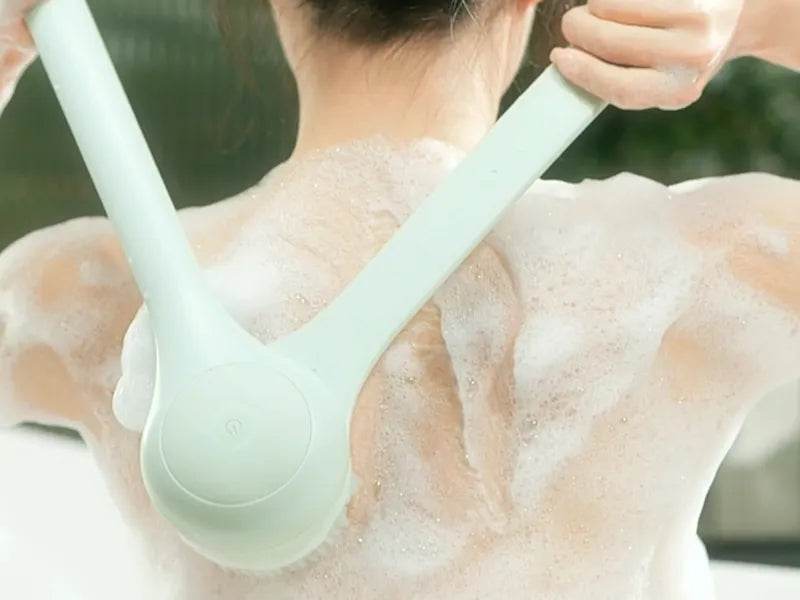
You finish your shower but still feel a greasy film between your shoulder blades. Reaching your back is frustrating, so you skip it, leaving your skin prone to breakouts.
Yes, scrubbing your back is crucial. Your back has many oil and sweat glands. Skipping it allows dead skin, excess sebum, and trapped sweat to build up. Gentle cleansing removes this debris, preventing painful back acne, folliculitis, and subtle body odor.

Many people think letting soapy water run down their back is enough. However, this passive method completely fails to clean the skin. Ignoring this hard-to-reach area creates a perfect environment for skin issues. Let me show you why your back requires direct action and how to care for it properly.
Why Wash Your Back
You wash your face carefully twice a day, but you ignore the largest area of skin on your body. This neglect creates a massive imbalance in your overall skin health.
Washing your back is essential because this area has a high density of sebaceous glands. These glands produce large amounts of oil. This oil mixes with sweat and dead cells, requiring direct mechanical action to remove it effectively.
I spend my days studying skin anatomy to build better personal care tools. The skin on your back is surprisingly similar to the skin on your face. It contains thousands of active oil glands. When you sweat, these glands pump out sebum. You wear tight clothes that trap this moisture against your skin. You also take hot showers that open your pores. If you do not actively wash this area, you leave all that oil and dirt sitting on the surface. During my early days testing silicone brush prototypes, we analyzed skin swabs from unwashed backs. The results were shocking. A simple water rinse removes almost nothing. You need physical friction to lift the sticky layer of oil. This friction signals your skin to shed old cells and produce new ones. Washing your back is not a luxury. It is a fundamental hygiene requirement for a healthy body.
Back Skin vs. Arm Skin
| Skin Area | Oil Gland Density | Risk of Clogged Pores | Cleansing Need |
|---|---|---|---|
| Back | Very High | High | Requires daily friction |
| Arms | Low | Low | Light washing is enough |
Removes buildup
You feel small, rough bumps across your shoulders. No amount of body lotion makes them go away because you are trying to moisturize a thick wall of dead skin.
Scrubbing your back directly removes the buildup of dead skin cells and excess sebum. It also washes away the pore-clogging film left behind by your hair conditioner and styling products.
Your skin constantly sheds dead cells. On your arms and legs, your clothes rub these cells away naturally. Your back is different. The skin is thicker, and the heavy oil acts like glue. This glue traps the dead cells on the surface. You also add outside chemicals to this mix. When you rinse your hair conditioner, the heavy silicones flow straight down your neck and shoulders. This creates a waterproof barrier over your pores. I designed the Ohxiyu electric brush specifically to cut through this exact barrier. A gentle scrubbing action breaks the bond between the dead cells and the oil. It lifts the conditioner residue off the skin. If you skip this step, the buildup thickens every single day. Your back loses its natural glow and becomes dull and rough. Regular scrubbing sweeps away this barrier, revealing the fresh, smooth skin underneath.
The Anatomy of Buildup
| Component | Source | Effect on Skin |
|---|---|---|
| Sebum | Natural oil glands | Acts like a sticky glue |
| Keratin | Dead skin cells | Causes rough, hard bumps |
| Silicones | Hair conditioner | Seals pores shut completely |
Prevents acne
You deal with painful, red pimples on your back that ruin your confidence. You use expensive acne creams, but the breakouts keep returning because the root cause remains.
Daily scrubbing prevents truncal acne, or "bacne," by keeping hair follicles clear. Removing the physical blockage of oil and dead skin stops the acne cycle before an infection can start.
Back acne is incredibly common, but it is also highly preventable. In the beauty tech industry, we look at acne as a mechanical failure of the pore. A pore gets blocked. Oxygen cannot get inside. Acne-causing bacteria thrive in this dark, oxygen-free environment. They eat the trapped oil and multiply rapidly. This causes a painful, inflamed bump. You cannot cure this by simply spraying chemicals on your back. You must remove the physical plug. Gentle scrubbing acts as a daily maintenance sweep. It clears the opening of the pore. We stress-test our bristle designs to ensure they reach into these tiny crevices without scratching the surrounding tissue. By keeping the pores open, you introduce oxygen. The bacteria cannot survive. You stop the breakouts before they even form. This proactive approach is much more effective than reacting to pimples after they appear.
The Acne Prevention Cycle
| Action | Result in the Pore | Impact on Acne |
|---|---|---|
| Scrubbing | Removes dead skin plug | Opens the follicle opening |
| Rinsing | Washes away excess oil | Removes food for bacteria |
| Oxygen Exposure | Air enters the pore | Kills acne bacteria naturally |
Stops odor and bacteria
You notice a stale, musty smell on your shirts at the end of the day. You apply deodorant to your underarms, but the odor is actually coming from your back.
Scrubbing your back eliminates the bacteria and yeast that feed on trapped sweat. By washing away these microorganisms, you stop the chemical reactions that cause subtle, persistent body odor.
Sweat itself does not smell. Body odor happens when bacteria break down the proteins and lipids in your sweat. Your back has a massive surface area. When you sit in an office chair or drive your car, your back sweats. That moisture gets trapped against the fabric. This creates a perfect, warm incubator for bacteria and yeast to grow. The yeast overgrowth can even lead to fungal infections like tinea versicolor, which leave discolored patches on your skin. I always emphasize the medical side of personal care to my team. We are not just making things smell nice; we are managing skin microbiology. When you scrub your back with a good cleanser, you physically detach these microbe colonies from your skin. You wash them down the drain. This destroys the source of the odor. You will notice your clothes smell fresher, and your skin feels completely clean.
Odor Causing Factors
| Factor | Role in Body Odor | Solution |
|---|---|---|
| Sweat | Provides moisture and warmth | Keep skin dry and clean |
| Bacteria | Breaks down sweat into acids | Wash away with daily friction |
| Yeast | Causes sour, fungal smells | Exfoliate dead skin layers |
What happens if you don't wash your back?
You decide to save time and skip washing your back entirely. Weeks go by, and you start feeling a constant, irritating itch that drives you crazy.
If you do not wash your back, you will develop a thick layer of grime. This leads to chronic clogged pores, severe back acne, itchy fungal infections, and dull, rough skin.
I have seen the clinical results of long-term skin neglect. It is not a pretty picture. If you rely only on soapy water running down your back, the buildup compounds rapidly. First, you will notice a change in texture. Your skin will feel like fine sandpaper. This is a condition called keratosis pilaris. Next, the trapped oil will harden inside your pores, creating blackheads and whiteheads across your shoulders. Eventually, the bacteria take over. You will develop folliculitis, which looks like hundreds of tiny, red, itchy bumps around your hair follicles. The worst part is the persistent itchiness. The dead skin and dried sweat irritate the nerve endings. You will find yourself constantly scratching your back against chairs or doorways. This scratching damages the skin barrier further, letting more bacteria inside. Ignoring your back turns a minor hygiene task into a major dermatological problem.
The Timeline of Neglect
| Timeframe | Skin Condition | Symptoms |
|---|---|---|
| 1 Week | Minor Buildup | Slight oily film, dull skin texture |
| 1 Month | Clogged Pores | Rough bumps, scattered blackheads |
| 3 Months | Bacterial Growth | Inflamed acne breakouts, constant itching |
What's the best thing to wash your back with?
You use a cheap plastic loofah you bought months ago. It feels scratchy, and your back breakouts are actually getting worse instead of better.
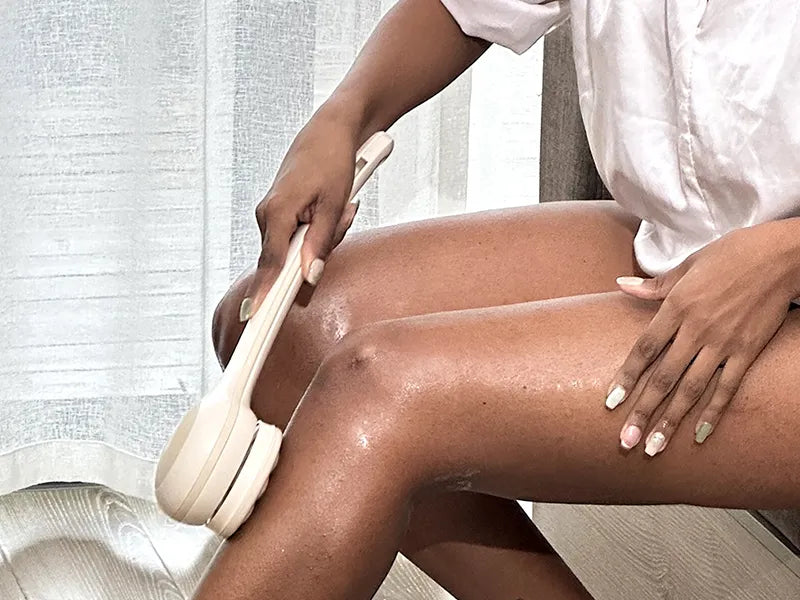
The best thing to wash your back with is a long-handled silicone body brush or a soft, clean loofah. Pair it with a gentle, non-comedogenic body wash containing salicylic acid.
Choosing the right tool is my absolute area of expertise. You must bridge the gap between effective scrubbing and skin safety. I strongly advise against aggressive, hard-bristled brushes. They cause micro-tears in the skin, which invite infection. I also warn people about old, plastic mesh loofahs. They harbor massive amounts of mold and bacteria. The ultimate tool is a long-handled electric or manual brush with medical-grade silicone bristles. Silicone is non-porous. Bacteria cannot grow on it easily. It provides the perfect amount of gentle friction to loosen dirt without scratching the skin. You also need the right cleanser. Do not use heavy, moisturizing body washes on your back. They contain pore-clogging oils. Instead, use a non-comedogenic gel. If you are prone to acne, choose a formula with salicylic acid or benzoyl peroxide. These ingredients dissolve the oil deep inside the pore.
Tool Comparison
| Tool Type | Pros | Cons |
|---|---|---|
| Plastic Loofah | Cheap, creates good lather | Traps bacteria, scratches the skin |
| Boar Bristle Brush | Firm physical exfoliation | Hard to keep clean, can be very harsh |
| Silicone Brush | Hygienic, gentle, very durable | Costs more money upfront |
How to Do It
You finally get a good back scrubber, but you rush through the process. You scrub too hard, use the wrong soap, and leave the tool wet on the floor.
To wash your back correctly, use the right long-handled tool. Be gentle and use circular motions. Wash your back after rinsing your hair. Always keep your tools clean and dry.
A good tool only works if you use the right technique. I always teach my clients to view their shower as a systemic process. You must follow a specific order of operations. First, always wash your back as the very last step in your shower. You must do this after you rinse out your shampoo and conditioner. Hair products leave a heavy, waxy residue on your skin. If you wash your back first, the conditioner will just clog your pores again.
Use the right tools
Hold your long-handled brush firmly. Apply your salicylic acid body wash directly to the bristles. Reach over your shoulder to wash the upper back. Reach around your side to wash the lower back. Make sure the handle is long enough to comfortably reach the middle section.
Be gentle
Do not scrub your skin raw. You do not need aggressive pressure. Use light, circular motions. Let the bristles do the work. The goal is consistent, gentle cleansing, not punishing the skin. Heavy pressure damages the skin barrier.
Keep tools clean
This is the most critical step. A damp tool breeds the exact bacteria you want to wash away. Rinse your scrubber thoroughly under clean water. Shake off the excess water. Hang it in a well-ventilated area outside the shower to dry completely. Replace natural loofahs frequently, or invest in a durable silicone tool to ensure daily hygiene.
Conclusion
Scrubbing your back is a vital daily habit. Using gentle friction and clean tools removes oil, prevents acne, and keeps your skin clear, healthy, and odor-free.