You feel those painful bumps on your back. Heavy clothes make them sting. You need a safe way to clean your skin without making the breakouts much worse.
To use a body brush for back acne-prone skin, select a soft synthetic or silicone brush. Use it wet in the shower with a salicylic acid cleanser. Lightly brush areas with blackheads one to two times a week, completely avoiding open, inflamed breakouts to prevent spreading bacteria.

I see many people destroy their skin barrier trying to scrub away acne. You must understand that bacne is an inflammation issue, not just a dirt problem. Learning the right way to brush will finally give your back the relief it deserves.
Can You Use a Body Brush for Back Acne-Prone Skin?
You buy stiff brushes to scrub the acne away. Your back turns red and hurts. You wonder if brushing actually helps or ruins your inflamed skin.
You can use a body brush for back acne-prone skin if you prioritize gentleness. You must only brush areas with non-inflamed clogged pores. Brushing over active, red pimples causes micro-tears, spreads acne bacteria, and makes dark acne scars much worse.
Focus on the true nature of bacne. Active acne is an inflamed skin barrier. It is not just trapped dirt. I test skincare tools every day. I see the damage firsthand. People grab a firm, traditional dry brush. They scrub it directly over inflamed papules and pustules. This action acts exactly like rough sandpaper. It rips the top layer of your skin. This creates tiny wounds called micro-tears. When you brush over a pimple, you break it open. The brush picks up the bacteria, like C. acnes. Then, you spread that bacteria across your entire back. This causes new breakouts immediately. It also worsens post-inflammatory hyperpigmentation. These are the dark, stubborn spots that stay for months. You must stop fighting your skin. You need to treat your back with the same delicate care you give your face. Exfoliate chemically where possible. Prioritize barrier recovery over aggressive scrubbing.
Physical Scrubbing vs. Active Breakouts
| Skin Condition | Brushing Action | Result on Skin |
|---|---|---|
| Open Pimples | Firm scrubbing | Spreads bacteria and causes scars |
| Inflamed Cysts | Heavy pressure | Increases deep pain and redness |
| Simple Blackheads | Gentle sweeping | Unclogs pores safely |
Choose the Right Body Brush and Reach Aid?
You browse endless aisles of wooden brushes. The rough bristles feel like wire. Using the wrong tool turns a simple shower into a painful skin disaster.
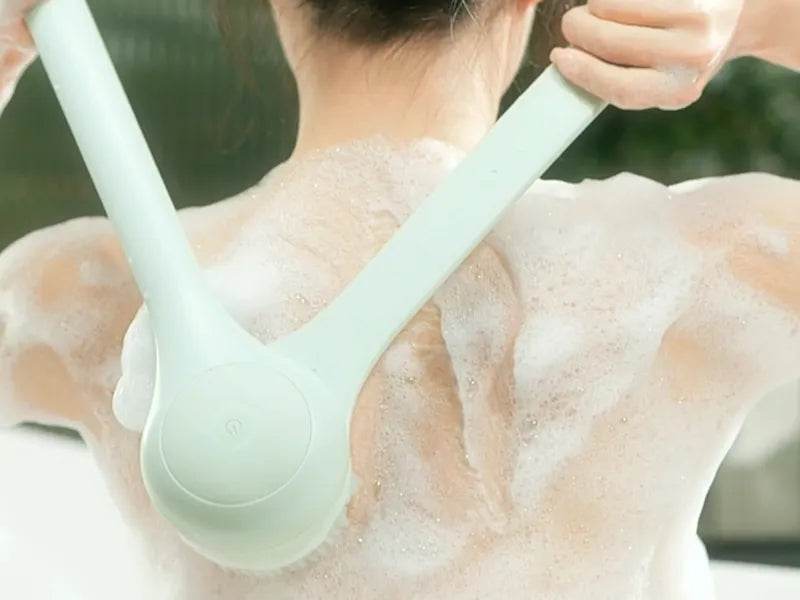
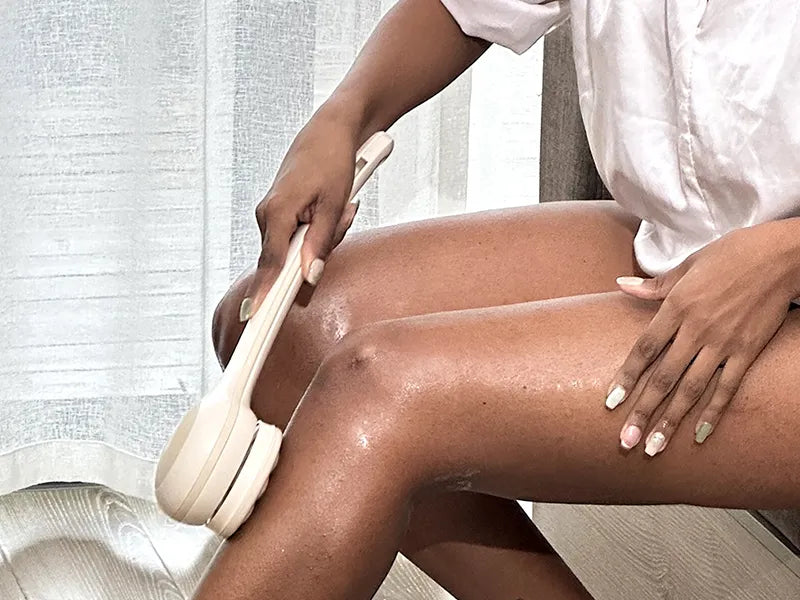
Choose a body brush with ultra-soft synthetic bristles or smooth silicone nodes. You must pair it with a long, ergonomic extension handle. This reach aid prevents you from forcing pressure on your back and protects your delicate skin barrier from aggressive scratching.
I spend a lot of time sourcing medical-grade materials for Ohxiyu. The type of brush you choose dictates your skin health. Traditional wooden brushes use stiff animal hair or hard plastic. These materials are too harsh for inflamed skin. You must opt for soft, synthetic bristles or gentle silicone cleansers. These materials bend easily. They clean without scratching. Next, you must consider the handle. A short handle forces you to contort your arms. When you twist your body, you naturally lose control. You end up pressing the brush head much too hard into your back. You must pair your soft brush with an ergonomic long-reach handle. A long handle gives you leverage. You just guide the tool. You never have to force pressure. The tool does the work for you. This simple change stops friction completely. It allows you to clean your pores without triggering new acne.
Brush Material Comparison
| Material Type | Stiffness Level | Skin Safety Rating |
|---|---|---|
| Boar Bristle | Very High | Poor (causes micro-tears) |
| Hard Plastic | High | Poor (scratches barrier) |
| Soft Synthetic | Low | Excellent (glides smoothly) |
| Silicone Nodes | Low | Excellent (massages gently) |
How to Use a Body Brush for Back Acne: 8 Gentle Steps?
You wash quickly and scrub randomly. Your acne stays red and angry. You lack a step-by-step system to clean your back safely and effectively.
First, wet your skin. Apply a salicylic acid cleanser to a soft brush. Gently sweep over blackheads. Bypass open pimples entirely. Rinse the soap. Pat your skin dry. Sanitize the brush. Hang it outside the shower. This routine prevents further irritation.
I designed this simple routine to bridge the gap between clinical care and a home spa. You need a strict system. First, step into the shower and wet your skin. Second, apply a non-comedogenic cleanser directly to your soft brush. I highly recommend a formula containing salicylic acid or benzoyl peroxide. Third, gently move the brush over your back. Fourth, you must focus only on areas with clogged pores or blackheads. Fifth, you must completely bypass any open or red breakouts. Do not touch them with the brush. Sixth, rinse your skin thoroughly until the water runs clear. Seventh, step out and pat your skin dry with a clean towel. Eighth, sanitize your brush immediately. This eight-step method protects your skin barrier. It delivers the active chemicals safely. It uses the brush only for gentle physical sweeping. This process turns a stressful shower into a safe, healing ritual.
The 8-Step Brushing System
| Phase | Action Steps | Primary Benefit |
|---|---|---|
| Prep | Wet skin, apply BHA wash | Softens dead cells |
| Clean | Sweep blackheads, skip pimples | Prevents bacterial spread |
| Finish | Rinse clear, pat dry | Stops residue irritation |
| Care | Sanitize tool, hang dry | Kills mold and germs |
How Often Should You Brush Acne-Prone Back Skin?
You brush your back every single day. The bumps never disappear. You constantly over-exfoliate and leave your sensitive skin trapped in an endless inflammatory loop.
You should only brush acne-prone back skin one to two times a week maximum. Your skin needs time to rebuild its barrier. Daily brushing strips away healthy oils and causes your body to produce excess sebum, which directly creates more trapped breakouts.
I constantly strip away over-hyped marketing noise. Brands tell you to scrub every day. This is terrible advice for acne-prone skin. You must limit your physical brushing to one or two times a week maximum. Your skin barrier needs quiet time to heal. When you have active acne, your skin is already weak. Daily brushing removes the top layer of skin before it fully forms. Your body reacts to this constant attack. It produces more oil to protect itself. This new oil gets trapped instantly. You create a cycle of endless breakouts. On the days you do not brush, you should rely on chemical exfoliants. Let a salicylic acid wash sit on your skin for a few minutes. Let the chemicals do the heavy lifting. Use your soft brush only once or twice a week to sweep away the loosened dead skin. Rest is a crucial part of skin recovery.
Balancing Exfoliation Methods
| Method | Recommended Frequency | Best Use Case |
|---|---|---|
| Chemical Wash (BHA) | Daily | Dissolving oil deep in pores |
| Gentle Body Brushing | 1–2 times a week | Sweeping away loosened skin |
| Harsh Physical Scrubs | Never | Avoiding severe barrier damage |
How to Reach Difficult Areas Without Scrubbing Harder?
You twist your arm to reach a spot. You naturally press the brush deeply into your skin. This awkward movement causes heavy friction and deep skin tears.
Reach difficult areas by using an ergonomic long-handled tool. Hold the handle lightly and let the soft bristles glide over your skin. An angled handle does the work for you, so you never need to press hard or scrub aggressively to feel clean.
The mechanics of showering often cause hidden skin damage. When you struggle to reach the middle of your back, your muscles tense up. You push the brush hard against your skin to maintain contact. This hard pressure acts as a severe acne trigger. I focus heavily on translating complex needs into simple user experiences. You must use an ergonomic handle to solve this physical problem. A well-designed reach aid wraps around your shoulder naturally. You hold it lightly in front of your chest. The brush head sits flat against your back. You do not need to push. You simply let the weight of the brush handle the cleaning. You glide the soft bristles over your skin. This method guarantees zero harsh friction. It prevents the micro-tears that lead to deep acne infections. You finally reach every difficult spot easily. You protect your skin barrier while achieving a perfectly clean back.
The Physics of Back Brushing
| Reaching Method | Arm Tension | Skin Friction Level |
|---|---|---|
| Short Brush | Very High | Extreme pressure |
| No Tool (Hands) | High | Uneven contact |
| Ergonomic Handle | Low | Gentle gliding |
Common Over-Exfoliation Mistakes to Avoid?
You believe a harsh scrub kills the acne. Your back feels tight and itchy afterward. These bad habits actively destroy your skin instead of healing it.
Avoid dry brushing inflamed acne. Never use stiff boar bristles on your back. Do not scrub open pustules. These mistakes act like sandpaper on your skin. They cause micro-tears, spread bacteria, and lead to severe dark spots known as post-inflammatory hyperpigmentation.
My professional mission is to fix real-world skin frustrations. Over-exfoliation is the number one cause of persistent back acne. The biggest mistake is dry brushing. You should never use a dry brush on acne-prone skin. The friction is too high. You must always use your brush wet in the shower. The water provides essential lubrication. Another massive mistake is treating your back like a tough piece of leather. Your back skin is thick, but the pores are delicate. Aggressive scrubbing rips these pores open. This spreads the C. acnes bacteria everywhere. It guarantees new pimples. It also triggers intense inflammation. This inflammation leaves behind post-inflammatory hyperpigmentation. These dark scars take years to fade. You must stop believing that pain equals cleanliness. Treat your back skin with the same delicate care you give your face. Brush lightly only where appropriate. Put your skin barrier recovery first.
Mistakes That Destroy Skin Barriers
| Mistake | What Happens to Skin | How to Fix It |
|---|---|---|
| Dry Brushing Acne | Tears skin open | Always brush wet with a cleanser |
| Scrubbing Papules | Spreads C. acnes | Bypass inflamed spots entirely |
| Using Hard Bristles | Causes dark scars | Switch to soft synthetic material |
Body Brush Care Between Showers?
You leave your wet brush inside the dark shower. It smells weird the next day. You just wiped millions of bacteria directly onto your fresh pores.
Sanitize your body brush thoroughly after every single use. You must rinse away all soap and dead skin. Shake off the water and hang the brush in a dry, well-ventilated space outside your bathroom. This stops bacteria and mold from growing entirely.
I audit the hygiene of personal care tools daily. Your shower is a warm, humid environment. It is the perfect place to grow mold and bacteria. If you leave your wet brush in the shower, it becomes a biological hazard. You use it the next day. You are simply reintroducing trapped moisture and harmful bacteria back onto your fresh skin. This instantly causes massive acne breakouts. You must sanitize your brush thoroughly after every single use. Wash the bristles with hot water and antibacterial soap. Rinse away all the dead skin cells. Shake the brush hard to remove water drops. You must let it dry in a well-ventilated space. Hang it outside the damp bathroom. Keep it in a dry room. Tool care is the foundation of clear skin. A clean tool delivers healthy results. A dirty tool ruins your entire skincare routine in seconds.
Brush Hygiene Checklist
| Step | Action Required | Hygiene Purpose |
|---|---|---|
| Wash | Use hot water and soap | Removes trapped skin cells |
| Dry | Shake off excess water | Speeds up drying time |
| Store | Hang outside bathroom | Prevents black mold growth |
Conclusion
Manage back acne with a soft brush and gentle care. Wash with mild cleansers one to two times a week, avoid active breakouts, and always keep your tools clean.