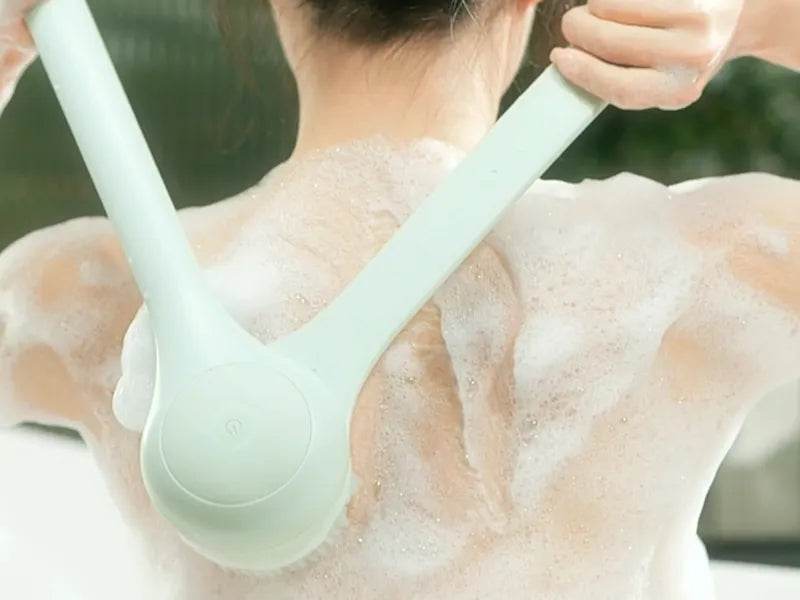
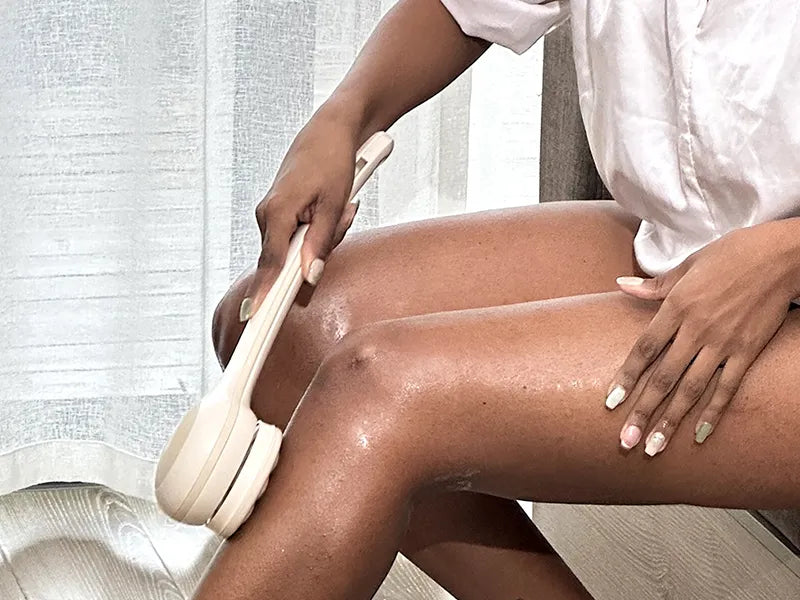
For many older adults, washing their own back is one of the first bathing tasks to become difficult. Stiff shoulders, arthritic hands, and worries about balance can turn a simple shower into a struggle. The right back scrubber can restore independence and dignity, but the wrong one can be too short, too rough, or too hard to grip.
This guide walks through the types of back scrubbers that work best for seniors, what to look for before you buy, and how to use them safely. Whether you are shopping for yourself or for a parent or grandparent, you will find a clear way to narrow down the choices.

Why Back Scrubbers Matter for Seniors
Reaching the middle of the back requires a surprising amount of shoulder rotation and grip strength. With age, conditions such as arthritis, rotator cuff problems, and general stiffness make that movement difficult or painful. Recovery from shoulder, hip, or back surgery can have the same effect.
When people cannot reach their back, areas can go unwashed. That can lead to skin irritation, odor, and in some cases skin infections. Needing help from a family member or caregiver for every shower can also affect a person's sense of privacy and independence.
A well-chosen back scrubber helps in three ways:
- It extends reach so the person can wash without twisting or straining.
- It reduces the need for help with bathing.
- It lowers the risk of slips caused by overreaching in a wet tub or shower.
What to Look for in a Back Scrubber for Elderly Users
Not every back scrubber suits an older body. These are the features that matter most.
Handle Length and Adjustability
A handle around 16 to 30 inches (40 to 75 cm) works for most adults. Taller users or those with very limited shoulder movement may need a longer one. Adjustable or telescoping handles let you fine-tune the length, and some bend or curve to reach the lower back.
A Grip That Is Easy to Hold
Look for a thick, cushioned, or contoured handle with a non-slip surface. Thin, smooth plastic handles are hard to hold with wet, soapy hands, especially for people with arthritis. Foam or rubberized grips and looped handles are often easier to manage.
Gentle Bristles or Surface
Older skin is thinner, drier, and more fragile. Harsh bristles can cause scratches, redness, or even skin tears. Soft bristles, silicone, a smooth sponge, or a soft cloth surface are usually safer choices than stiff brushes.
Light Weight
A heavy scrubber is tiring to hold at arm's length. Choose a lightweight model, especially if the person has weak hands or shoulders.
Easy to Clean and Quick to Dry
A scrubber that stays damp can grow mold and bacteria. Silicone, plastic, and open-weave materials dry faster than dense sponge. A hanging loop also helps it dry between uses.
Best Back Scrubbers for Seniors with Arthritis or Limited Mobility
People with arthritis need tools that reduce the force needed to grip and the range of motion needed to use them.
What to choose:
- Large, foam-padded handles that let the whole hand wrap around instead of pinching.
- Looped or strap-style handles that can be held with a wrist or a weaker grip.
- Curved or angled handles that reduce how far the shoulder has to move.
- Lightweight sponge-head scrubbers that glide with little pressure.
Who it suits: People with rheumatoid arthritis, osteoarthritis in the hands, shoulder stiffness, or reduced strength after illness.
Watch out for: Long handles that are heavy at the end, and slick handles that twist in the hand.
Best Long-Handled Back Scrubbers
A long-handled scrubber is the most popular choice, and for good reason. It is simple, inexpensive, and needs no setup. Common styles include:
Long-Handled Bath Sponge
A soft sponge head on a bendable or curved handle. It is gentle, lathers well, and is easy to use for people who just need a bit more reach.
- Best for: Sensitive skin and mild reach limitations.
- Pros: Soft, lightweight, inexpensive.
- Cons: Sponge holds moisture, so it needs regular drying and replacement.
Long-Handled Bath Brush with Soft Bristles
A classic wooden or plastic handle with a soft-bristled head. Some have a detachable head for cleaning.
- Best for: People who like a more traditional scrubbing feel.
- Pros: Durable, effective at cleaning.
- Cons: Bristles can be too stiff for fragile skin, so check the softness carefully.
Adjustable or Bendable Handle Scrubbers
These allow you to change the length or angle, which helps reach the lower back and between the shoulder blades.
- Best for: Users with different needs on different days, or shared use in a household.
- Pros: Versatile, adapts as mobility changes.
- Cons: Joints and locks can loosen over time, so test them before relying on them.
Best Gentle Back Scrubbers for Sensitive or Fragile Skin
If the person has dry skin, eczema, thin skin from medication use, or a history of skin tears, material choice is the most important factor.
| Material | Gentleness | Dries Quickly | Notes |
|---|---|---|---|
| Silicone | High | Yes | Easy to clean, resists mold, very popular for sensitive skin |
| Soft cloth or terry | High | Moderate | Comfortable, but wash often |
| Soft sponge | High | No | Gentle but needs frequent drying and replacing |
| Loofah or natural fiber | Medium | Moderate | Can be rough when dry, soften before use |
| Stiff bristles | Low | Yes | Usually too harsh for fragile skin |
For most older adults, silicone or a soft sponge is the safest starting point. Avoid scrubbing hard. Light pressure with a good cleanser is enough.
Best Wall-Mounted or Hands-Free Options
Some seniors cannot hold a scrubber at all, or cannot safely move their arms enough to use one. Wall-mounted options let the person move their back against the scrubber instead of moving the scrubber against their back.
- Suction-mounted scrubber pads or brushes attach to the shower wall or tub surface.
- Wall-mounted brushes fixed with adhesive or screws are more stable.
Pros: Minimal grip strength needed, useful for people with limited arm movement.
Cons: Suction mounts can lose hold on textured or wet surfaces, which makes them risky if someone leans on them heavily. Always test the mount, never use it as a handrail, and keep a proper grab bar nearby.
Back Scrubber vs. Bath Mitt vs. Loofah Strap: Which Is Better?
| Type | Best For | Limitation |
|---|---|---|
| Long-handled scrubber | Reaching the back with minimal twisting | Needs enough grip strength to hold |
| Bath mitt | Washing arms, legs, chest with easy control | Does not extend reach |
| Loofah or cloth strap | Both hands used to pull across the back | Needs shoulder mobility on both sides |
| Wall-mounted scrubber | Very limited arm or grip ability | Needs a stable wall and careful setup |
For most seniors with mild to moderate limits, a long-handled soft scrubber is the best first choice. A strap can work well for those who still have good shoulder movement but weak grip. A wall-mounted option fits people who cannot hold or lift a scrubber at all.
Are Electric Back Scrubbers Safe for Elderly People?
Electric and battery-powered scrubbers reduce the effort needed, which can help people with weak hands. But there are some safety points to consider.
- Water safety: Choose products clearly rated for use in the shower or bath. A waterproof rating matters. Check the manufacturer's instructions.
- Skin sensitivity: Rotating or vibrating heads can be too aggressive for thin skin. Look for soft heads and low speeds.
- Weight and handling: Battery housings add weight and can be awkward to hold.
- Cord safety: Avoid any mains-powered device in the bathroom unless it is specifically designed and approved for that use.
For most seniors, a simple manual scrubber is safer and easier. If you consider an electric one, talk with a doctor, nurse, or occupational therapist, especially if the person has fragile skin or a skin condition.
Featured Electric Option: Oh, XIYU XY1 Electric Body Brush
The Oh, XIYU XY1 Electric Body Brush is an electric option built around the points above: a waterproof body, a gentle speed setting, and a 2-in-1 handle designed to reach the back without straining. Here are the specifications listed on the manufacturer's product page.
| Feature | Details |
|---|---|
| Waterproof rating | IPX7, rated for shower and bath use |
| Speed modes | Gentle and Power; 1200 RPM motor |
| Handle | 2-in-1 handle for reaching the back |
| Brush heads included | Long bristle head, bath scrub head, lotion applicator head |
| Bristles | 90,000+ soft PBT bristles |
| Overload protection | Slows down, resets, or shuts off when it senses too much resistance |
| Battery and charging | 2000mAh; contact charging base with Type-C cable, under 4 hours to full charge |
| Size and weight | 394 x 100 x 62 mm; about 380 g |
| Storage | 3 wall-mounted accessories included |
| Price | $59.90 USD (listed regular price $99.90 USD) |
| Warranty and trial | 1-year warranty and 30-day risk-free trial |
Why it may suit older users:
- The Gentle mode and soft bristles are aimed at sensitive skin.
- The motor does the scrubbing, so less hand and shoulder effort is needed.
- The overload protection helps if too much pressure is applied.
- Wall-mounted storage keeps it within reach without bending.
What to check before buying:
- At about 380 g it is heavier than a simple sponge on a stick, so check that the person can hold it comfortably for a few minutes.
- Start with the long bristle or lotion applicator head on Gentle mode. The bath scrub head is made for exfoliation, which is usually too much for thin or fragile skin.
- Keep the spinning head away from hair, and never use it on broken or irritated skin.
- If the person has a skin condition or takes medication that thins the skin, ask a doctor before using any electric scrubber.
Specifications and prices come from the manufacturer's page and may change.
Bathroom Safety Tips for Seniors Using a Back Scrubber
A good scrubber does not help much if the bathroom itself is a fall risk. Falls in the bathroom are a major cause of injury among older adults, so consider these precautions:
- Use a shower chair or bench. Sitting lowers the risk of falling while reaching.
- Install grab bars. Proper bars anchored into the wall, not suction cups or towel rails.
- Use non-slip mats inside the tub or shower and outside it.
- Keep the scrubber within reach on a hook or caddy so no one has to lean or bend for it.
- Avoid overreaching. If the scrubber does not reach, switch to a longer one rather than stretching.
- Use a handheld shower head so rinsing can be done while seated.
- Keep the water temperature safe, since older adults may have reduced sensation and can scald more easily.
If bathing has become hard in general, an occupational therapist can assess the bathroom and recommend equipment that fits the person.
How to Clean and Maintain a Back Scrubber
A damp scrubber can harbor bacteria and mold, which is a concern for older adults whose skin or immune system may be more vulnerable.
- Rinse thoroughly after every use to remove soap and skin cells.
- Let it dry fully. Hang it in an airy spot, not in a closed, wet corner.
- Disinfect weekly. Soak in a mild vinegar solution or wash following the manufacturer's directions. Many silicone and plastic scrubbers can go in the dishwasher, but check first.
- Replace when needed. Sponges and natural fibers usually need replacing every few weeks to a couple of months. Replace any scrubber that smells, shows mold, or has frayed or damaged parts.
Buying Guide: Price, Materials, and Where to Buy
Price: Most manual back scrubbers are inexpensive. Spending a bit more usually gets you a sturdier handle, a better grip, and a more durable head. Electric and wall-mounted models cost more.
Materials to prefer: Silicone, soft sponge, soft cloth, and lightweight plastic or aluminum handles.
Where to buy: Online retailers, pharmacies, medical supply stores, and bath and home stores all sell them. Medical supply stores can also advise on mobility aids. Read recent reviews from other older users or caregivers, and check the return policy so you can swap it if the length or grip is wrong.
Quick checklist before buying:
- Is the handle long enough without needing to stretch?
- Is the grip thick and non-slip?
- Is the head soft enough for thin skin?
- Is it light enough to hold comfortably?
- Can it be cleaned and dried easily?
Final Thoughts
The best back scrubber for an elderly person is the one they can hold comfortably, reach with easily, and use gently on their skin. For most, that means a lightweight, long-handled scrubber with a cushioned grip and a soft silicone or sponge head. For those with severe grip or mobility problems, a strap or wall-mounted option may be better.
Pair the scrubber with a safe bathroom setup, a shower chair, grab bars, and non-slip mats, and bathing becomes safer and more independent. If you are unsure which option fits, ask a doctor or occupational therapist for advice tailored to the person's needs.
FAQs
How long should a back scrubber be for a senior?
Most people do well with a handle between about 16 and 30 inches. If shoulder movement is very limited, go longer or choose an adjustable model. Test whether the person can reach the middle and lower back without leaning.
Can a back scrubber cause skin tears?
Yes, if it is too rough or used with too much pressure. Older skin is more fragile, so choose soft silicone or sponge heads and use gentle strokes. Stop and speak to a healthcare professional if you notice redness, broken skin, or bruising.
How often should elderly people bathe?
This varies by person. Many older adults do not need a full bath or shower every day, and over-washing can dry out the skin. A doctor or nurse can advise based on skin condition, health, and personal needs.
What if a senior cannot reach their back at all?
Try a longer or adjustable scrubber, a wall-mounted option, or a strap. If none of these work, a caregiver can help, or an occupational therapist can suggest adaptive equipment and safer bathing methods.
Is a sponge or a brush better for elderly skin?
For most seniors, a soft sponge or silicone scrubber is gentler than a bristle brush. Choose bristles only if they are very soft and the skin is healthy.