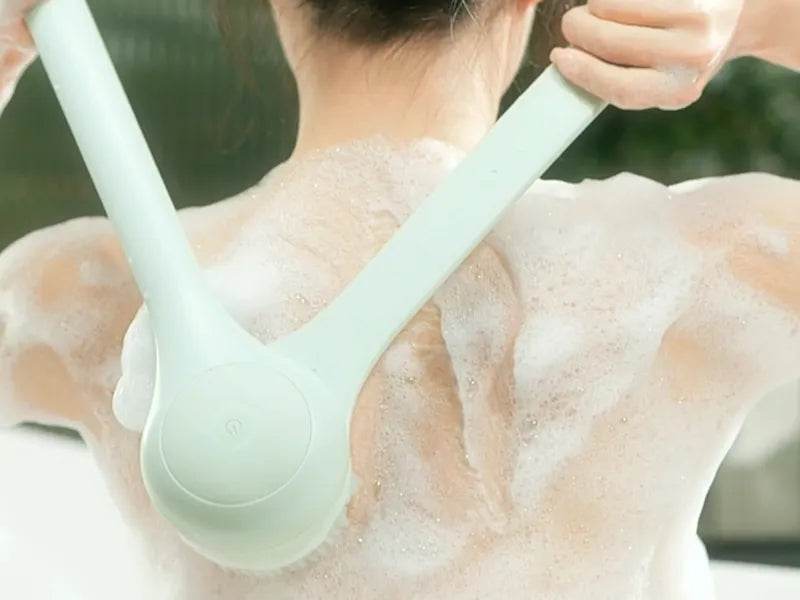
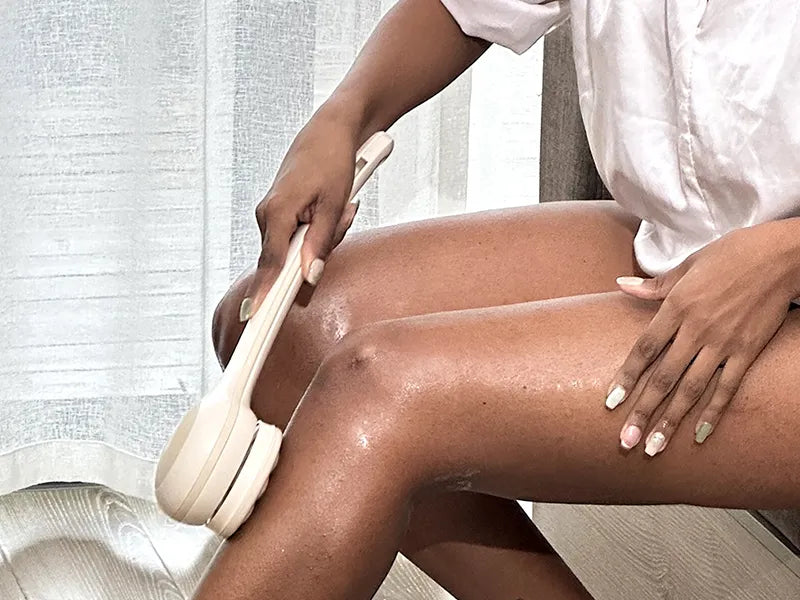
You love your electric body brush, but you've been using the same head for months. Now you're wondering if it's still hygienic or even effective anymore.
You should replace your standard electric body brush head every 2 to 3 months. If the bristles are frayed, discolored, or smelly, you should replace it sooner to prevent bacteria buildup and skin irritation.

In my decade of developing personal care tools, I’ve learned that the effectiveness of any device is only as good as its weakest part. For an electric body brush, that part is often a neglected brush head. Your shower is a warm, damp environment, which is a perfect breeding ground for bacteria and mold. Using a worn-out brush head is like trying to clean your skin with a dirty sponge. It's not just ineffective; it's counterproductive. Let's break down exactly when and why you need to make the switch to keep your skin healthy and glowing.
What Are the Signs It's Time for a New Brush Head?
Your brush head might not look terrible, so you keep using it. But you're secretly worried it's not cleaning well anymore and could even be scratching your skin.
The clearest signs are frayed bristles that no longer stand straight, discoloration at the base that won't wash out, a lingering musty smell, or a new scratchy feeling during use.

When we design and test products at Ohxiyu, we stress-test them to their breaking point. This helps us understand exactly how they wear down over time. It’s not always dramatic; sometimes the decline is subtle. The soft, rounded tips of the bristles are the first thing to go. Once they wear away, you're left with a coarser, less effective tool that can do more harm than good. Your senses are your best guide here. If a brush head looks, feels, or smells off, it’s time to trust your gut and replace it.
Frayed and Bent Bristles
The most obvious sign is the physical state of the bristles. When new, they are straight and flexible. Over time, the tips wear down, and the bristles can become splayed, bent, or stiff. This is a problem because the rounded tips are what make the brush gentle on your skin. Once they're gone, the bristles can feel scratchy and cause micro-abrasions, leading to redness and irritation.
Discoloration and Odor
Have you noticed dark spots or a yellowish tint at the base of the bristles? That isn't just soap scum. It's likely a biofilm, which is a colony of bacteria or mold that has taken root. No amount of cleaning will fully remove it. This biofilm can also produce a musty, damp odor that lingers even after the brush is dry. This is a non-negotiable sign that the brush head is no longer hygienic.
Reduced Performance
You might notice your skin doesn't feel as smooth or clean after you use the brush. Worn-out bristles don't exfoliate dead skin cells as effectively. They also can't hold and distribute your body wash as well, leading to a less sudsy and less satisfying clean.
| New Brush Head | Worn-Out Brush Head |
|---|---|
| Bristles are straight and soft. | Bristles are frayed, bent, or stiff. |
| Base is clean and white/clear. | Base is discolored or has dark spots. |
| Feels soft and polishing on the skin. | Feels scratchy or rough on the skin. |
| No noticeable smell. | Has a lingering musty odor. |
How Can You Make Your Brush Head Last Longer?
You want to get the most out of each brush head. Replacing them feels wasteful and expensive, but you also don't want to compromise on hygiene or performance.
To make your brush head last longer, always rinse it thoroughly with clean water after every use. Then, store your device in a dry, well-ventilated area outside of the direct shower stream.
Proper maintenance is the key to longevity for any high-performance tool, and your body brush is no exception. It’s a simple two-step process that takes less than 30 seconds but can make a huge difference. I always say that how you care for your tool after you use it is just as important as how you use it. These simple habits prevent the buildup of residue and inhibit the growth of bacteria and mold, keeping your brush head in optimal condition for as long as possible.
The Post-Shower Rinse
After you finish brushing, turn off the device and run the brush head under clean, running water. Use your fingers to gently work through the bristles to remove all soap, skin cells, and body oils. These residues are what bacteria and mold feed on. By washing them away completely, you are essentially starving them out. This one step is the most effective way to prevent the formation of biofilm and keep your brush smelling fresh.
The Importance of Air Drying
Never leave your brush sitting in a pool of water or in a damp, enclosed shower caddy. Moisture is the enemy. After rinsing, shake out the excess water and place the brush in a spot where air can circulate freely around the bristles. We designed our Ohxiyu brushes with this in mind, which is why they can be hung on a hook or placed in a stand on your counter. Allowing the bristles to dry completely between uses is critical for preventing mold growth and preserving the integrity of the bristles.
Do Silicone Brush Heads Need to Be Replaced?
You see silicone brush heads offered and wonder if the 2-3 month rule still applies. You're curious if they are a better, longer-lasting alternative to traditional bristle brushes.
Silicone brush heads last much longer and do not need regular replacement. Their non-porous material resists bacteria, so you only need to replace them if they become physically torn or damaged.

This is a question I get all the time, and it’s a great one because it gets to the heart of material science in personal care. The answer is no, they don't follow the same rules. When we were sourcing materials for our Ohxiyu brush heads, we looked at both options because they serve different needs. The difference in lifespan comes down to one simple property: porosity. Traditional synthetic bristles are porous on a microscopic level, while medical-grade silicone is not.
The Bristle Brush Lifespan
Nylon or other synthetic bristles have tiny pores that can trap water, soap, and bacteria. Even with perfect cleaning, it's almost impossible to keep them sterile over time. This is why the strict 2-3 month replacement rule is so important for these heads. They provide a fantastic, invigorating scrub, but they have a finite hygienic lifespan.
The Silicone Advantage
Medical-grade silicone is non-porous. This means there's nowhere for bacteria to hide and multiply. As long as you rinse it after use, it stays incredibly hygienic. A silicone head can last for a year or even longer. The only reason to replace one is if it gets a nick or tear, which could then trap bacteria.
| Aspect | Bristle Brush Head | Silicone Brush Head |
|---|---|---|
| Material | Porous (Nylon/Synthetic) | Non-Porous (Medical-Grade Silicone) |
| Replacement Cycle | Every 2-3 months | Only when damaged |
| Feel | Invigorating, deep scrub | Gentle, massaging clean |
| Best For | Normal to oily skin, deep exfoliation | Sensitive skin, daily cleansing, longevity |
At Ohxiyu, we offer both because we believe in choice. The bristle head is for those who love a vigorous, deep-clean feeling, while the silicone head is perfect for sensitive skin or for anyone who prioritizes hygiene and longevity.
Conclusion
Replace standard brush heads every 2-3 months or when they show wear. Clean and dry them properly. For a longer-lasting, hygienic option, choose a silicone head and replace it only if damaged.