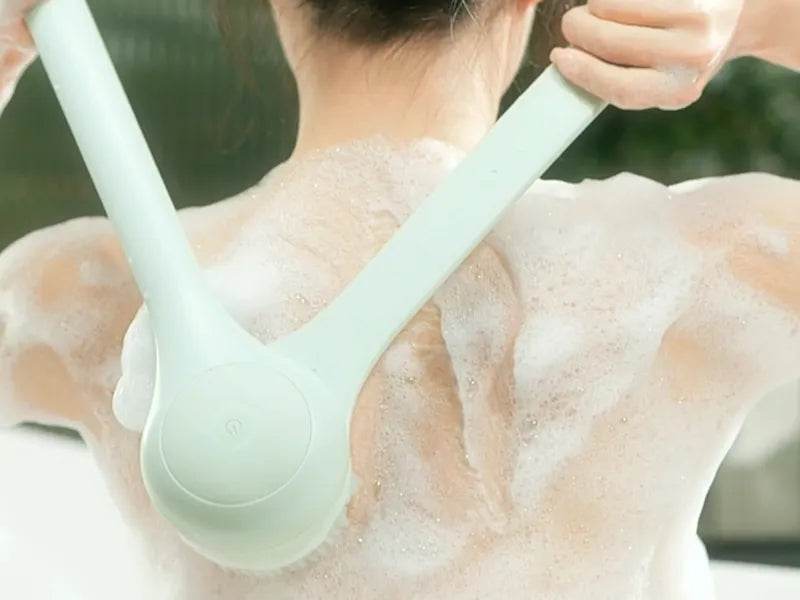
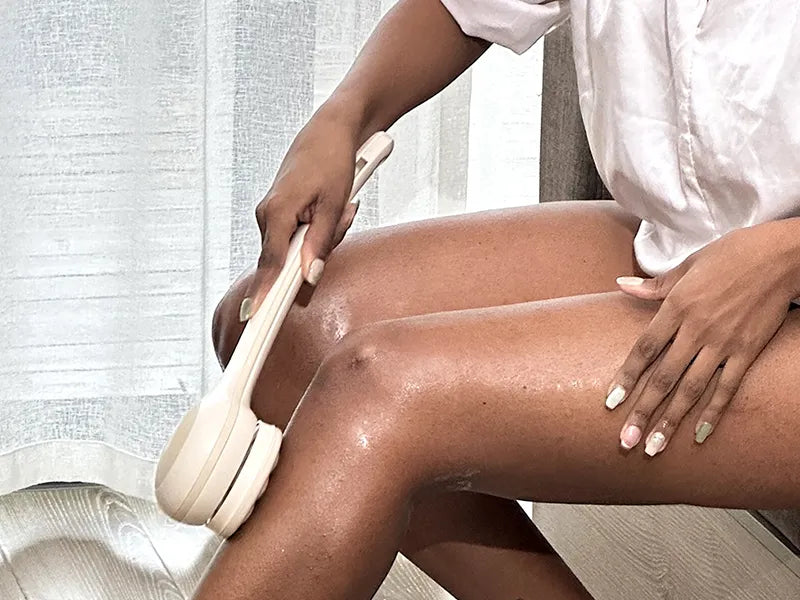
You stare at a wall of bath tools and feel totally confused. Using the wrong brush ruins your skin barrier. You must match your scrubber to your exact skin type.
To choose the best body scrubber for your skin type, identify your primary skin concern first. Use gentle silicone or cotton for sensitive skin. Choose firm Korean Italy towels for rough patches. Select high-quality, non-porous materials to prevent bacterial growth and protect your natural moisture barrier daily.
I spend every day testing skin-care technology in our lab. People treat body scrubbers like a one-size-fits-all tool, and their skin pays the price. I want to show you exactly how to read your skin's daily signals so you stop causing accidental damage in the shower.
Start by thinking about how your skin usually feels?
You grab a random brush and scrub your body blindly. Your skin feels tight and dry afterward. You need to read your skin's daily mood before you wash.
You should observe how your skin feels after a shower to choose a scrubber. If your skin feels tight or red, you need a softer tool. If it feels oily or rough, you need firmer exfoliation. Your skin's daily condition dictates the exact level of friction required.
Reading Your Skin Signals
I evaluate product efficacy constantly in our research facility. Most people ignore the physical signs their body sends them. They use the same heavy friction every single day. This is a massive mistake. Your skin barrier changes based on the weather, your stress levels, and your diet. You must touch your skin before you turn on the shower water. You need to feel for dry patches on your arms. You need to check for excess oil on your chest and back.
You must adapt your tool choice to these daily signals. A one-size-fits-all approach destroys your natural moisture barrier over time. You cause microscopic damage that leads to chronic dryness and irritation. You should own two different tools for your routine. You need a gentle option for everyday washing. You also need a firmer option for days when your skin feels congested. You protect your long-term skin health by listening to these simple physical cues.
| Skin Feeling | Barrier Status | Action Required |
|---|---|---|
| Tight and Itchy | Damaged barrier | Use soft washcloth only |
| Normal and Calm | Healthy barrier | Use gentle silicone |
| Rough and Oily | Congested pores | Use firm body brush |
What if your skin is on the sensitive side?
Your skin turns bright red easily. You use a harsh loofah and get painful rashes immediately. You must switch to materials that cleanse without stripping your delicate barrier.
If your skin is sensitive, you must avoid coarse brushes and plastic loofahs. These tools create micro-tears that cause severe irritation. You should use medical-grade silicone scrubbers or soft cotton washcloths instead. They glide over your skin smoothly and cleanse deeply without causing any friction damage.
Protecting the Moisture Barrier
I spend a lot of time engineering hypoallergenic materials for Ohxiyu. Sensitive skin requires extreme care and attention. The top layer of sensitive skin is very thin. It gets angry very fast. You cannot use a stiff boar bristle brush. You will rip the skin open. These tiny cuts are called micro-tears. They invite bacteria inside and cause terrible redness.
You need a tool that cleans without pulling the skin. Food-grade silicone is the perfect solution for this problem. The silicone nodes bend when they touch your body. They never scratch. They sweep the dirt away safely. Soft cotton washcloths work very well too. They offer a very mild physical touch. You must focus entirely on preserving your skin oils. You wash away the sweat and the daily pollution. You leave the healthy skin barrier intact. This simple material switch stops chronic shower irritation completely.
| Tool Type | Friction Level | Safety for Sensitive Skin |
|---|---|---|
| Stiff Boar Brush | Very High | Dangerous (causes tears) |
| Plastic Mesh Loofah | Medium-High | Poor (causes redness) |
| Medical Silicone | Very Low | Excellent (protects barrier) |
What if your main issue is rough-feeling areas?
You feel bumpy skin on your upper arms and knees. Soft sponges do nothing to smooth these areas. You need heavy-duty exfoliation to break down this dead skin.
To treat rough areas like knees and elbows, use heavy-duty exfoliators like Korean Italy towels or firm dry brushes. These powerful tools lift stubborn dead skin cells effectively. You should only use them specifically on rough patches once or twice a week to avoid widespread skin irritation.
Targeting Stubborn Texture
I analyze skin frustrations like keratosis pilaris in our R&D hub frequently. Those rough bumps on your arms are trapped keratin. A soft silicone scrubber will not fix this problem. You need serious mechanical force to break the keratin plugs. This is where you bring in the heavy tools.
You should buy a traditional Korean Italy towel. It features a unique, sandpaper-like texture. You soak in warm water first. You scrub the rough patches firmly. You will actually see the grey dead skin roll off your body. It is a highly effective clinical-grade result at home. A firm dry brush works well before the shower too. You must restrict these intense tools to your problem areas only. Do not use a Korean towel on your sensitive chest or stomach. You will cause severe damage. You target the rough spots precisely and leave the rest of your skin alone.
| Problem Area | Recommended Tool | Usage Frequency |
|---|---|---|
| Bumpy Upper Arms | Dry Bristle Brush | 2 times per week |
| Thick Elbow Skin | Korean Italy Towel | 1 time per week |
| Rough Heel Callus | Pumice Stone | 3 times per week |
What if you shave regularly?
You shave your legs and get painful red bumps immediately. A dirty sponge pushes bacteria into your open pores. You need a clean prep tool to stop razor burn.
If you shave regularly, you must avoid harsh loofahs. They push bacteria into your freshly shaved pores, causing ingrown hairs and razor burn. You should prep your skin with a gentle, non-porous silicone scrubber to lift hairs safely and keep your skin entirely free from infection.
Preventing Shaving Irritation
I look at the intersection of shaving and skin care often. Shaving is a very harsh physical exfoliation process. A razor blade scrapes away hair and the entire top layer of your skin. Your pores remain wide open after you shave. This is a very vulnerable moment for your natural skin barrier.
You cannot scrub your legs with a dirty plastic loofah before or after you shave. You will rub mold and bacteria directly into those open pores. This is the exact cause of painful razor burn and infected ingrown hairs. You must use a completely hygienic tool. A medical-grade silicone scrubber prepares the skin perfectly. The soft nodes gently lift flat hairs away from the skin. This action allows the razor to cut cleanly. The silicone holds zero bacteria. You get a close shave without the terrible red bumps the next morning.
| Shaving Step | Bad Tool Choice | Best Tool Choice |
|---|---|---|
| Pre-Shave Prep | Dirty mesh loofah | Clean silicone scrubber |
| During Shave | Dull old razor | Sharp clean razor |
| Post-Shave Wash | Rough boar brush | Soft cotton washcloth |
What if fake tan is part of your routine?
You apply fresh fake tan over old patches. Your skin looks orange and horribly streaky. You must strip the old color completely before you apply a new layer.
To manage a fake tan routine, you need two different scrubbers. You must use an intense exfoliating mitt or dry brush to lift off the old, patchy tan. You should use a very gentle silicone scrubber to wash your body daily and preserve your new tan longer.
Managing Fake Color Safely
I track clean-beauty standards and tanning trends globally. Fake tan chemicals stick to the very top layer of your dead skin cells. The color fades unevenly as those cells fall off naturally over time. You cannot apply a fresh tan over this old mess. You need a specific removal strategy.
You must use a heavy-duty exfoliating mitt. You scrub your skin firmly to force the old, dyed cells off your body. You create a perfectly blank canvas. You apply your new fake tan. Now your strategy must flip completely. You want the new color to stay for a whole week. You cannot use the rough mitt anymore. It will scrub the new tan right off. You switch to a gentle silicone scrubber for your daily showers. The soft silicone cleans the sweat away without rubbing the dyed skin cells off. You protect your glow and your skin barrier.
| Tan Stage | Goal | Tool to Use |
|---|---|---|
| Removal Day | Strip old patchy color | Exfoliating Mitt |
| Application Day | Clean skin, no oils | Soft Washcloth |
| Maintenance Days | Wash without fading | Silicone Scrubber |
Why do material and your daily routine matter too?
You buy the perfect brush for your skin type. You let it sit in a wet shower and grow black mold. You ruin your skin with terrible hygiene habits.
Your scrubber material and hygiene routine matter more than the tool itself. Natural loofahs act as bacterial playgrounds. Medical-grade silicone is non-porous, quick-drying, and far better for long-term health. You must match the tool intensity to your skin and replace or sanitize your items regularly.
The Reality of Shower Hygiene
I audit the clinical efficacy of materials constantly. You can pick the perfect tool for your sensitive skin easily. It means nothing if that tool is covered in bacteria. Hygiene dictates your entire routine. Most people fail to understand the environment inside their own bathroom.
A shower is hot, dark, and humid. Natural loofahs and wooden brushes absorb water rapidly. They become massive bacterial playgrounds within days. You wash your body with this hidden mold. You trigger severe skin infections and chronic body acne. You must choose smart materials. Medical-grade silicone is the best choice for long-term skin health. It is completely non-porous. It dries in minutes. It starves bacteria of the water they need to survive. You must also sanitize your tools. You wash cotton cloths after one use. You rinse silicone thoroughly. You replace plastic mesh immediately. You take control of your environment to protect your skin.
| Material Type | Water Absorption | Hygiene Level | Routine Action Needed |
|---|---|---|---|
| Natural Wood | High | Very Low | Must dry outside shower |
| Plastic Mesh | High | Low | Replace every 3 weeks |
| Medical Silicone | Zero | Very High | Simple rinse and shake |
Conclusion
Choose your body scrubber based on your daily skin condition. Avoid harsh loofahs for sensitive skin, target rough patches with firm tools, and always prioritize quick-drying, hygienic materials.